
Podcasting built its empire on being a highly engaging, long-form medium. For a while, podcasts were untouchable, regarded as one of the most personal, intimate content forms out there. But as per tradition, times and consumer habits change rapidly. The number of podcasts in circulation has dramatically risen, with nearly half a million new shows launched in the first few months of 2026 alone. To stand out in such a crowded market, podcasters are increasingly turning to micro-podcasting.
The challenge, and goal, for podcasters is to strike a balance between the engagement power of short-form podcast content and the depth and value provided by long-form content.

How Listener Habits Are Shifting
Audio forms a major part of our everyday lives, but how we consume it is constantly changing.
Short-form content refers to tightly condensed media formats - think TikToks, Instagram Reels, and now, micro-podcasts. Its main selling point is speed: fast insight without unnecessary waffle, designed to be “snackable” and consumed quickly.
In 2026, attention spans are shorter than ever, and daily life is busier than ever. Together, that means a 40-minute podcast episode length is often harder to sell than it used to be. While long-form podcasts are still popular, today’s listeners increasingly value direct, digestible content they can absorb during a commute or a chore. Settling in for a long episode is a commitment, and not every listener has the time or patience for it. They want to learn what they need to know quickly, so they can continue with their day.
Why Micro-Podcasts Work
Micro-podcasts meet this demand for rapid, high-value content perfectly. Short, easy-to-consume episodes not only match short attention spans, but also seamlessly integrate into listeners’ lifestyles and multitasking routines. In turn, short-form podcasts achieve higher episode completion rates and stronger listener retention than typical long-form podcasts.
- Increased Engagement Time: Psychologically, listeners are more likely to consume more of your content if it’s short-form. People tend to queue several short-form podcast episodes back-to-back, increasing total listener engagement time.
- Lifestyle Integration: A 10-15 minute episode fits neatly into a commute, a workout, or a quick coffee break in a way a 40-minute episode can’t. Micro-podcasts are much easier to slot into a listener’s day without needing to set aside dedicated time or listen in short bursts.
- No Overwhelm: Shorter episodes also lower the barrier to pressing play. The idea of engaging for just 10-15 minutes feels a lot more achievable and approachable than committing to a long, multi-topic, conversational episode. This is especially true for new listeners who just want to try out a podcast.
- Value For Time: Every minute has a purpose in a short episode. Micro-podcasts often cut the small talk and get straight to the point. Listeners immediately get a return on what they invested their time into, instead of waiting for the “main part” of the podcast to hit.
- Increased Completion Rates: Most listeners finish podcast episodes, but completion still drops as durations increase. Shorter episodes are a lot easier to burn through and finish.

How to Structure a Micro-Podcast Episode
Micro-episodes work because they give the listener what they’re looking for straight away. The natural slow-burn of a typical long-form podcast episode doesn’t work here, so structuring a micro-podcast episode means focusing on hooking the audience and delivering value quickly.
- Teaser/Hook: Grab the listener’s attention with a bold statement, a provocative question, or an impactful insight pulled from the core of the episode. Keep away from banal introductions like “welcome to the show”, instead, jump right into the meat of the episode.
Short Intro: Establish quick brand recognition without killing momentum from the hook. Introduce the show, the host, and one short sentence that encapsulates the podcast or brand.
E.g. “Hi there, and welcome to Witness History from the BBC World Service, with me, Matilda Wellin.”
Use punchy, active verbs and short, catchy sentences. Focus on the listener’s pain point.
Topic Intro: State clearly what that episode is about. Detail the core episode subject and the specific takeaway that the listener will leave with. Frame it around the benefit of the episode, instead of a plain feature.
E.g. “Today, we’re covering the one SEO strategy that completely shifted my organic traffic.”
- Further Topic Context: Set the stage. State why exactly this topic matters right now. Add a brief personal anecdote, a surprising statistic, or a common myth that needs debunking. This part bridges the gap between the topic intro and the solution. Include only the details that serve the main point to keep it concise.
- Main Value: A micro-podcast needs to have an actionable, valuable core insight. Deliver on the promise made in the hook and introductions. Keep it simple and concise: three or four bullet points or steps, a framework or strategy, or a distinct and powerful mindset shift.
- Call-To-Action: While you still have the listener’s attention, guide them on what to do next. Give one clear command, such as to subscribe, download something, or head over to socials for extra content. Never offer more than one CTA - keep it simple and focused.
- Quick Outro: Sign off clearly and powerfully. Use a signature catch phrase or term of endearment for your listeners. Add fade-out music, credits to anyone involved or any sources used. Keep it brief so that the podcast ends before the listener has a chance to switch off.
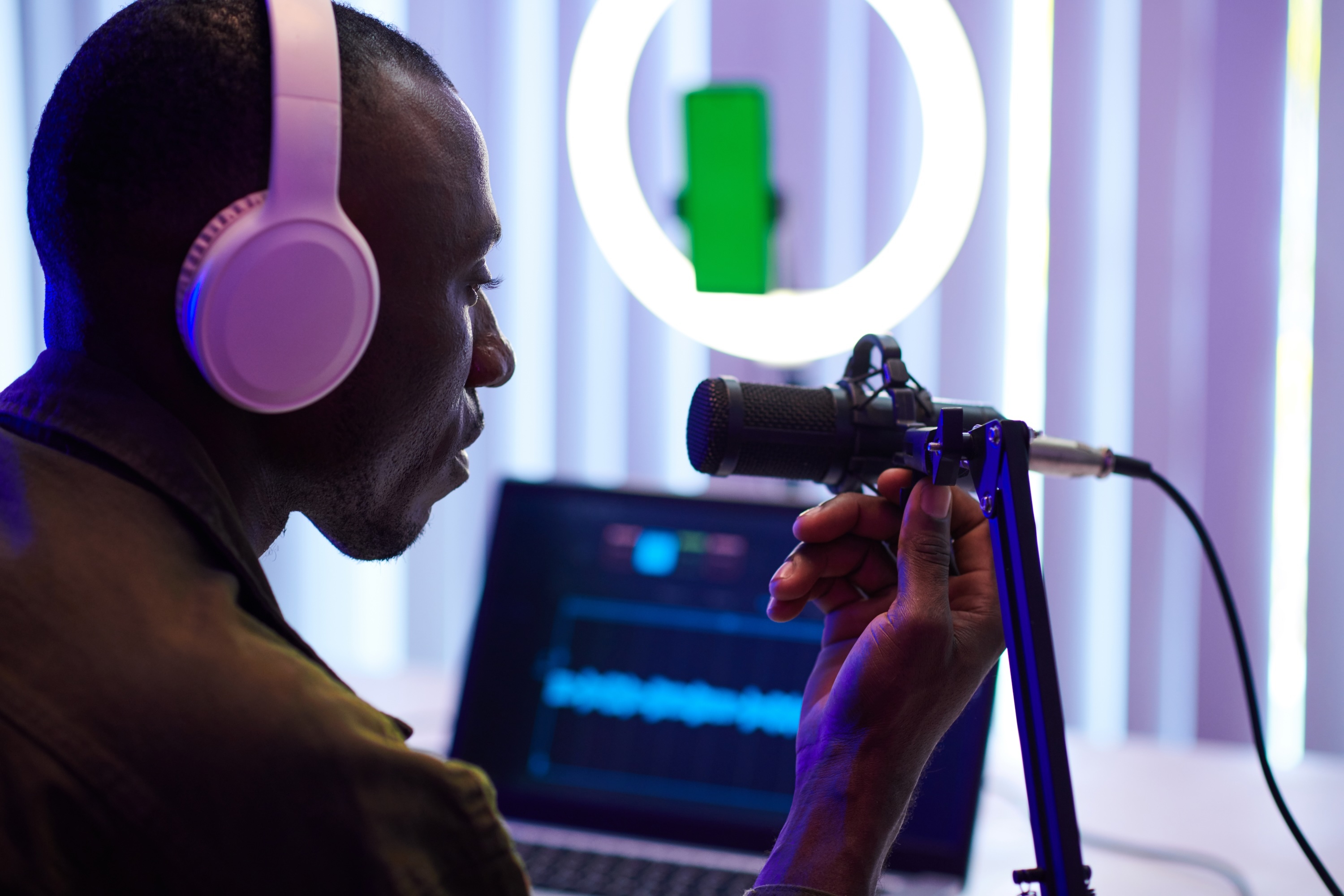
How to Produce & Polish a Micro-Podcast Episode
Whether you’re scripting word-for-word or working with an outline, maintaining steady energy and crisp editing keeps the tempo moving briskly - essential for anyone learning how to start a short podcast that holds listener attention.
Scripting vs. Tight Outlines
- When to Script: Carefully plan the hook and the outro. These are often under the tightest time constraints and need to be clear, quick, and snappy to land immediately. Each word spoken must be specifically chosen to create maximum curiosity or incite immediate action.
- When to Outline: The main value points can run slightly longer and more conversationally. They can follow the traditional guidelines of a long-form podcast episode - use bullet-points to organise thoughts, stay on track, and avoid rambling. Don’t just read out full sentences like a robot.
Vocal Delivery & Steady Energy
Maintaining steady energy doesn’t mean talking loudly, forcefully, and quickly for the entire length of the episode. It actually means keeping the same vocal presence and cadence throughout.
- Posture & Presence: If possible, record standing up, or sit on the edge of your chair with your back straight. Smile when delivering your introduction or opening hook. Physically smiling and standing tall changes the shape of your vocal tract, adds natural warmth and authority to your voice, and helps you sound confident and ready.
- Breathe Beforehand: Take a deep-breath before hitting record. Micro-podcasts lose momentum when the host has to pause for breath mid-hook.
- Resist the Rush: Don’t rush through your content just to fit everything in. This completely derails the episode’s value and becomes an intense, exhausting listening experience. Instead, keep a brisk, steady pace when using simple filler words, and slow down for emphasis on key nouns and points for impact.

Crisp Editing & Pacing in the DAW
Micro-podcasts by nature are short and snappy. During editing, the main focus should be on cutting waffle and dead air to build momentum - the most valuable of all the podcast editing tips for this format.
- Breath Spacing: Don’t cut every single breath so that the episode is non-stop chatter. Remember, breaths in between sentences remind listeners that you are human. Instead, cut the silence around the breaths. Reduce gaps in between sentences from an average 0.8 seconds to around 0.2 or 0.4 seconds.
- Trimming: The first sound, the first audio wave, of the episode, should start within 0.05 seconds of the listener tapping “play”. Eliminate any soft atmospheric noise, lipsmacks, coughs, or deep intakes before the first word.
- Music as Pacing Anchor: Use background music with a subtle yet steady tempo to keep the audio and on track. The music’s rhythm acts as a metronome, keeping the editing rhythm tight and maintaining the listener’s attention.
Pro Tip: Try reading your script out loud and timing yourself. If your target episode length is 12 minutes and your first read-through is 16 minutes, don’t immediately try to speak faster. Instead, read through your content and find 20-30 words to cut. Quality over quantity.

What Are the Strengths of Short-Form Podcast Episodes?
- Higher Completion Rates / Less Drop-Off
Episodes that are 20 minutes long or less are much more likely to hold listener attention all the way through. Because more listeners finish the episode, this drives up completion metrics and strengthens listener retention - incredibly valuable long-term for a podcast’s reputation, and especially useful if you have sponsors or advertisers wanting proof that a message actually landed with listeners.
- Accessibility & Convenience
As touched on before, short-form podcast episodes blend far better with today’s busy schedules. A 10-15 minute episode is psychologically appealing, and easy to consume on a short commute, during a gym warm-up, on the school run, or while cooking dinner. This convenience not only builds listening consistency, but also builds your brand’s reputation as an easy, no-commitment listen that people can always find time for.
- Easier Production
For post-production, short-form is a major hack. Shorter episodes typically need less editing, and you can also burn through several of them far faster than spending hours on a single long-form conversation. This, in turn, improves your publishing consistency and frequency without sacrificing quality, working through the night, or succumbing to the all-too-common "podfade" caused by burnout.

To Wrap Up
Short-form content takes effort. Getting your podcast episode length right, curating a captivating hook, and applying the post-production podcast editing tips covered in this article all take more discipline than sitting and talking for 40 minutes and letting the conversation do most of the work for you. However, the reward is worthwhile. Snappy, short-form content can result in stronger listener retention, higher engagement and completion rates, and a podcast that fits into even the busiest schedules.
Ready to launch or host your own short-form podcast? Podcast.co can help you get started.