
Introduction
Every podcaster wants more listeners, but building an audience from the ground up is difficult. In today’s podcast boom, shows also have to work harder for attention. Podcast reviewers are a secret hack. Just one mention from the right critic or creator, or a glowing feature in the right newsletter, can do more for your podcast's growth and reach than months of independent promotion.
In this article, find out why getting reviewed matters, where you can find podcast reviewers across mainstream media, niche outlets, and indie platforms like Substack, and how to pitch your podcast to each kind of reviewer - for the best chance of a response.
Why Getting Your Podcast Reviewed Helps It Grow
Real Examples of Podcast Reviews Driving Show Growth
Song Exploder
Song Exploder is a podcast where musicians break down the stories and creative processes behind their songs. Upon launching, early reviews from recognisable outlets like Slate, The Atlantic, and Spin helped the show build credibility and reach audiences far beyond its original niche.
Following this, it became the top-ranked show on Apple Podcasts and Spotify, and was later even adapted into a Netflix documentary. Song Exploder is a prime example of how podcast reviewers from trusted publications can establish a show’s authority and help it reach new listeners.

- The Property Podcast
After launching in 2013, The Property Podcast was selected for promotion on Apple’s iTunes homepage. It also appeared in the “New and Noteworthy” list, and regularly outranked shows from the BBC, achieving No.1 in the Business category.
Hosts Rob Bence and Rob Dix built up over 65 five-star reviews in their first three months, reading them out on air to encourage even more listeners to leave one. While reviews don’t directly factor into Apple’s ranking algorithm, they do influence whether people choose to listen to or follow a show - and that is what actually influences the charts. That’s exactly what happened here: by month two, The Property Podcast was pulling in 20,000 downloads a month.
- Great Pods
While not a direct growth case study, podcast discovery platform Great Pods shows the impact podcast reviewers can have. The platform is home to over 6,300 critic reviews from writers at well-known publications like The New York Times, The Observer, and Vulture, alongside independent reviewers.
The platform’s model rests on the idea that a recommendation means more coming from a named critic than from an anonymous rating buried in an algorithm. Great Pods has also grown entirely through word of mouth, with no paid marketing. This is proof that an entire business can exist on the power of reviews and recommendations that resonate with listeners.
What Else Do You Gain From Podcast Reviews?
Trust
Positive feedback acts as social proof. It shows existing and potential listeners that your podcast is worth their time. When there is concrete evidence that others have engaged with and recommended your show, new listeners will be more likely to trust you and give it a try themselves.
Discoverability
Podcast reviewers can boost your podcast’s discoverability in many ways. A mention or feature often comes with a link back to your podcast, which search engines often read as a signal of relevance and trust. Within podcast apps themselves, engagement like ratings and listens also plays into how likely an algorithm is to surface your show to new listeners.
Direct Feedback
There are few better ways to improve your podcast than listening to what your audience is telling you. Reviews give you a direct line to what listeners like and dislike about your content, and what they want to see more or less of. Independent feedback like this can help you identify what to work on, and keep your key audience in mind as you produce new content.
Opportunity
Reviews can open doors to opportunities that take your podcast further. Whether it’s the motivation to finish a series, the credibility to attract new guests, or the exposure to reach new audiences, positive feedback helps build momentum. It can also make your podcast more appealing to potential guests, sponsors, and collaborators.

How Cue Productions Can Help You Elevate Your Podcast
So, if you know what you want or need to improve but need help actually getting your podcast to the next level, this is where companies like Cue Productions can help.
Whether it’s a stronger sound you’re after, a more polished and professional production, or simply support getting your podcast finished, Cue has you covered. Our team supports you from the first take to the final edit - and everything in between.
We provide expert crews to capture multi-camera interviews, on-location studios for live events, and sharp, repurposable social clips to extend the impact of your content. We pride ourselves on being an entirely human team, so there’s no need to worry about your professional identity or authenticity getting lost.
Creating a high-quality podcast that keeps listeners coming back takes work, and creating one that is ready to catch a podcast reviewer’s attention takes even more. Cue makes it that much easier.
Get in touch with the Cue team today to talk more about elevating your podcast.
Where to Find Podcast Reviewers for Your Show
Mainstream Podcast Round-Ups
USA
- Vulture: Covers podcasting through deep-dive industry pieces, trend coverage, and regular recommendation round-ups.
- The New Yorker: Reviews and recommends audio storytelling alongside its wider arts and culture coverage.
- The Los Angeles Times: Spotlights West Coast creators, entertainment industry stories, and major show launches.
- The New York Times: Publishes curated podcast lists, seasonal guides, and genre-specific recommendations.
UK
- The Guardian: A respected broadsheet that regularly covers independent creators and major network shows in its culture coverage.
- The Telegraph: Publishes round-ups of notable podcasts, with a focus on comedy, history, and investigative journalism.
- The Sunday Times: Covers popular audio shows and “Best Of” lists as part of its weekend culture coverage.
- The Financial Times: Includes podcast recommendations within its weekend culture coverage, alongside global and industry stories.

Niche Podcast Review Sites
USA
- Great Pods: A platform built entirely around named-critic reviews, with over 6,300 reviews from writers at outlets including The New York Times, The Observer, and Vulture.
- Discover Pods: An independent platform publishing podcast reviews, staff-written recommendations, and creator interviews.
- Podcast The Newsletter: A weekly newsletter featuring a large list of recommendations, personal notes, and interviews with people in the podcast community.
UK
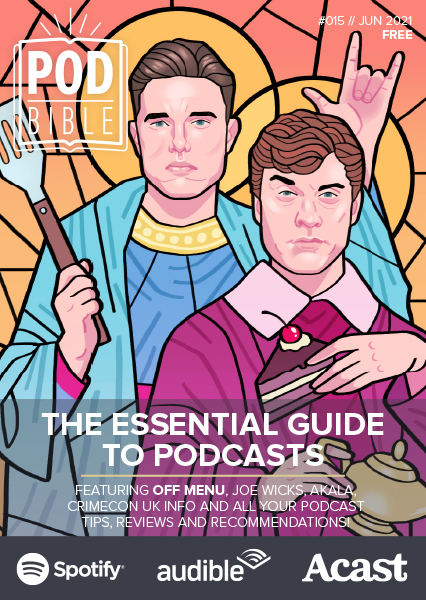
- Pod Bible: The UK’s only print magazine dedicated to podcasts, distributed with The Sunday Times and also available online. It features reviews, interviews, and creator spotlights.
- PodcastingToday: A site covering podcast news, reviews, tips, and advice. Content ranges from UK show launches to wider industry trends and major awards like the British Podcast Awards.
- Podcast Rex: A UK podcast platform publishing dedicated show reviews and news, alongside its free weekly newsletter, Great British Podcasts, written by BBC broadcaster Scott Bryan.
How to Find Podcast Reviewers on Medium, Substack & YouTube
Don’t Just Pitch to Podcast Reviewers, Pitch to Creators
Not all reviewers work for major newspapers or dedicated podcast magazines and websites. Plenty of audio enthusiasts have built passionate, engaged communities on platforms like Medium and Substack, or post review videos on YouTube. Often, they have built their audiences around a particular niche, genre, or topic out of genuine personal interest rather than as part of a job, which makes them especially valuable to connect with if your podcast fits what they already cover.
Medium
Medium is an open publishing platform where independent writers publish articles without needing their own website.
Search for writers using tags related to your podcast’s genre (for example, “True Crime” or “Podcast Reviews”), or search directly for terms like “podcast review” + your niche. This surfaces writers already covering similar shows.
Check a writer’s follower count or how recently they’ve published before pitching to them. Medium has lots of dormant accounts, and an existing “podcast review” tag doesn't mean the writer is active.
Substack
Substack is widely regarded as the leading platform for independent newsletters, spanning everything from personal essays to paid, subscriber-funded publications.
Use Substack’s own category leaderboards - the “Rising” board spotlights newsletters gaining paid subscribers and “Top Bestseller” ranks the most established newsletters by revenue - to find popular, active, and growing newsletters in your niche.
Many Substack writers also use the platform’s Recommendations feature to shout out other newsletters they have seen or read, so checking who a relevant newsletter already recommends can lead you to even more potential reviewers in a single search.
YouTube
Search beyond channels that exclusively review podcasts. Creators who regularly cover your subject more broadly may be just as valuable, as their audience already has a genuine interest, even if podcasts aren’t their main engagement format. Check a channel’s community tab or recent comments for signs their audience already talks about podcasts in your field. Consider pitching a collaboration or guest appearance rather than a straight review. This is often an easier “yes” for a creator on YouTube who doesn’t have a “reviews” format built into their content.
How to Pitch Your Podcast for a Review
Getting a review often starts with a good pitch, and a good pitch depends on who you’re sending it to. A national newspaper, an indie Substack writer, and a YouTube creator will all expect something different. People can usually tell when a pitch was sent to several people at once. Treat them the same with a blanket pitch and this is the quickest way to get ignored.
Tailoring Your Pitch to Each Reviewer
Major Outlets & Mainstream Journalists
Match the outlet to your topic before you match the size. If your podcast is about B2B marketing, pitch to Marketing Dive first, not Forbes. A smaller, more relevant outlet will always beat a larger yet irrelevant one.
Keep the outreach email short and lead with the angle, not your show’s entire backstory.
For bigger names like The New York Times and the BBC, also include a short “About” section with a few relevant keywords. This increases the chances of your pitch surfacing again later, as larger newsrooms often search back through old emails by keyword, instead of reading every pitch the second it lands in an inbox.
Send a single follow-up email after about a week if you haven’t received a response. Any more than this and your pitches start to look like spam instead of persistence.
Niche Newsletters, Writers & Indie Reviewers
Typically, these newsletters are run by a single creator handling every submission themselves, and they often receive a lot more pitches than they can actually act on.
Research the specific writer’s taste before pitching to them, not just their newsletter’s topic. Referencing something they’ve actually reviewed before demonstrates you’ve done the research, rather than sending the same generic message to a list of people.
A short, personal note lands well with independent writers, proving you haven’t mass emailed the same pitch to dozens of other newsletters.
YouTube Creators
Most YouTube channels aren’t set up to receive formal pitches the way newsletters, journalists, and other writers are.
Here, a direct message or comment referencing a particular video on their channel is far more likely to get noticed than an email.
Frame your pitch as a collaboration opportunity or guest appearance, instead of a straight interview request. When a creator sees your pitch as a chance for mutual benefit rather than a favour, they’re more likely to respond or accept - it gives them new content to create, rather than just a plug to include.

To Wrap Up: Should You Pitch Your Podcast for A Review?
Landing a podcast review isn’t down to luck or chance. It often comes down to pitching to the right person, in the right way, with a podcast that is worth their time in the first place. Whether that’s a mainstream outlet’s weekend culture column, a niche newsletter’s curated round-up, or a YouTuber with a dedicated audience, a well-researched pitch will always outperform a mass, generic email.
But remember: podcast reviewers can only recommend a show that is actually working. If your podcast isn’t currently landing or resonating with your target audience yet, that’s the real place to start.
That’s where Cue Productions comes in. From idea generation and editing to post-production, our team can help you build a podcast that engages listeners and catches the eyes of reviewers. Once your show is ready to go even further, Podcast.co is also there to help you grow your audience and keep those listeners coming back.
Contact Cue today, and watch your podcast start to have a meaningful impact among listeners and critics alike.