
In 2026, the traditional podcast growth funnel is broken. The old method of ranking for a single keyword on one platform and hoping for a click has been replaced by a fragmented search reality. Users are no longer just searching, they are seeking answers from AI Overviews on Google, browsing chapters on YouTube, and following semantic topic clusters on Spotify. To stay ahead of these shifts, creators must understand the latest podcast SEO 2026 strategies to ensure their content remains discoverable across all discovery engines.
To win, you must master Zero-Click Podcast SEO. This is the art of providing enough value in the search results that your brand earns authority even if the user never hits the play button. By the time they do click, they are already a warm lead.
Here is how to optimise your show for the three giants of search simultaneously.
The Semantic Shift: From Keyword Stuffing to Topic Authority
The era of podcast SEO 2026 is defined by Strings to Things. Google and Spotify no longer just look for the phrase digital marketing in your title. Their algorithms now use semantic search for audio to understand the entities, relationships, and depth of your conversation.
Why Keyword Stuffing is Dead
In the past, repeating your primary keyword in the description was enough. Today, AI models like Google Gemini and OpenAI's SearchGPT scan your content for Topic Authority. If you talk about Real Estate Investing, the algorithm expects to hear related entities like amortisation, multifamily syndication, or FHA loans. If those related concepts are missing, the search engine assumes your content is thin or AI-generated slop.
How to Build Topic Authority
Cluster Your Content: Do not treat episodes as islands. Link back to previous episodes on similar topics within your show notes. This tells search engines you are a comprehensive resource on the subject.
Entity-Rich Descriptions: Use your show notes to define the Who, What, and Why of the episode. Mention specific names, tools like Podcast.co, Riverside.fm or Adobe Podcast, and locations.
Focus on Intent: Are listeners looking for a how-to (informational) or a specific product recommendation (transactional)? Align your metadata to the user's specific stage in the journey.
Chapter Marking for Search: The Sitelinks of Audio Content
One of the most powerful tools for how to rank a podcast on Google is the humble timestamp. In 2026, Google often displays Key Moments directly in the Search Engine Results Page (SERP).
When you provide detailed podcast show notes SEO, your timestamps function like website sitelinks. They allow Google to index specific segments of your audio. A user searching for "how to negotiate a seed round" can find the exact minute of your 60-minute interview where that topic is discussed.
Mastering the Descriptive Timestamp
Avoid vague labels like "05:00 Introduction." Instead, use keyword-rich, descriptive labels that answer micro-queries:
Weak: 12:45 Introduction to Marketing
Strong: 12:45 The 3-Step LinkedIn Marketing Strategy for B2B SaaS in 2026
This approach satisfies the Zero-Click user. They get the answer or the "aha!" moment from your notes, which builds immediate trust in your brand's expertise.
The Video Sync: YouTube and RSS Feed Synergy
Your YouTube podcasting strategy should not exist in a vacuum. Google owns YouTube, and the two platforms share data to determine what content is most relevant.
The Unified Workflow
To rank on both Google and YouTube, your RSS feed and YouTube channel must work as a system rather than competitors.
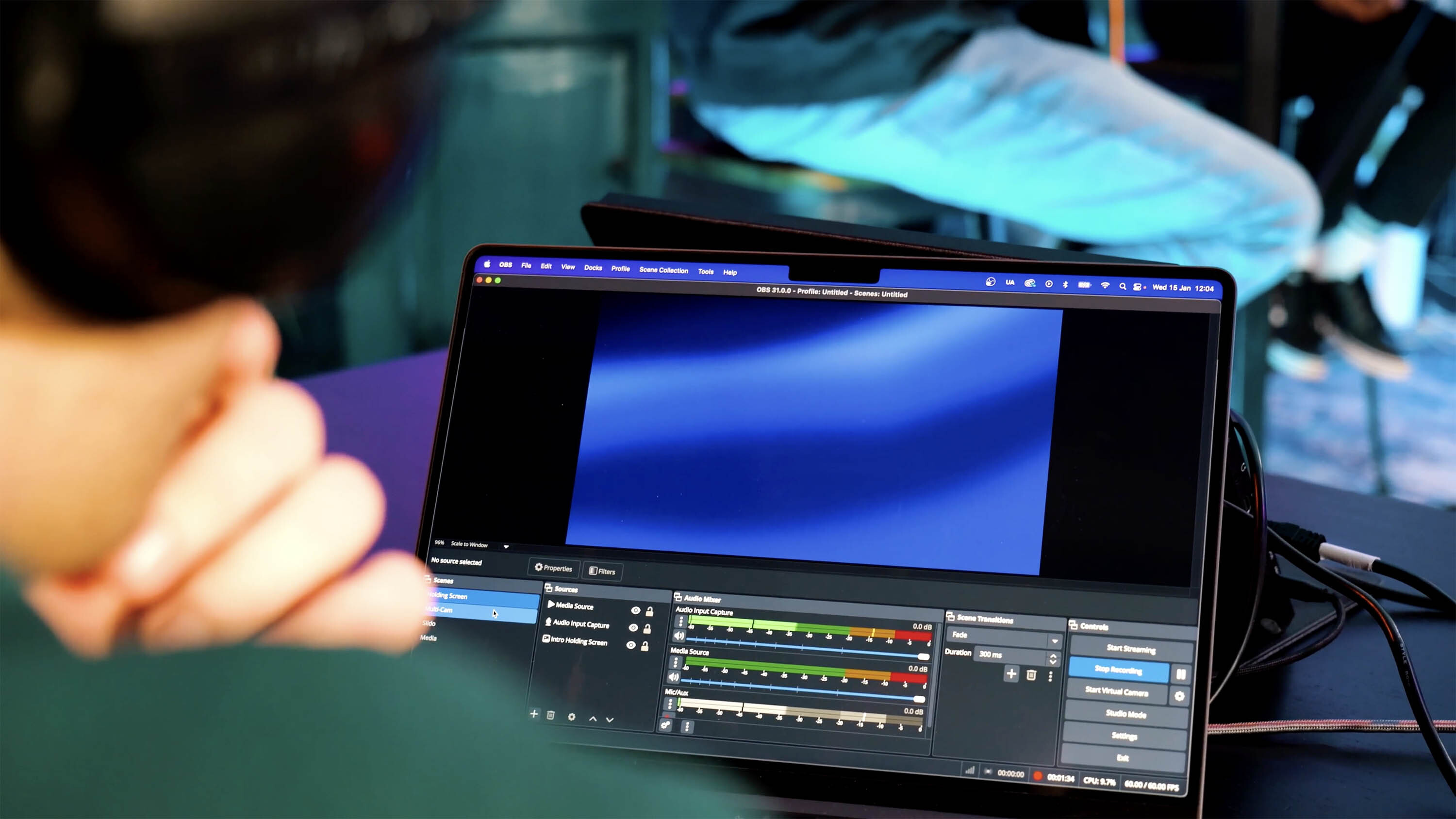
RSS to YouTube: Use YouTube Studio’s native RSS ingestion tool to ensure your audio episodes are automatically uploaded as videos. This ensures your audio content is indexed by the world's second-largest search engine.
Metadata Parity: Ensure your YouTube Chapters match your RSS Timestamps. This creates a consistent digital footprint that helps search engines verify the accuracy and relevance of your content.
The Closed Loop Link: Always link from your YouTube description back to the specific episode page on your website. This creates a high-quality backlink and drives Social Signals to your domain.
Foundation for Success: Clean Code and Automation
Advanced SEO strategies fail if they are built on a shaky technical foundation. This is where the infrastructure of your host becomes a ranking factor.
Automatic Transcription as Search Fuel
Google cannot listen to your audio files with 100% accuracy yet. It relies on text. Using Podcast.co’s automatic transcription converts your spoken word into crawlable data. These transcripts provide the clean code that search engines need to index your show for long-tail queries you might not have even targeted.
Custom Pages and Site Architecture
A podcast hosted only on a listening app likeApple Podcasts orAmazon Music is invisible to most of the web. Podcast.co’s custom pages provide a dedicated URL for every episode. These pages are optimised for speed and mobile responsiveness. These are two of Google's coreWeb Vitals.
High-Impact Topic Authority Keywords for 2026
To help you get started with podcast metadata optimisation, here is a list of 10 high-value topic clusters that are currently gaining massive traction in search algorithms. Incorporating these into your podcast show notes SEO will signal to Google that your content is cutting-edge.
Edge Computing Applications: Essential for tech and infrastructure podcasts.
Fractional Leadership Models: A top-ranking term for business and career shows.
Algorithmic Personalization: Critical for marketing and media-focused episodes.
Neuro-Inclusive Workplace Design: A trending semantic term in HR and leadership circles.
Biophilic Urbanism: A key entity for sustainability and architecture content.
Synthetically Augmented Creative Workflows: The 2026 way to discuss AI in creative arts.
Predictive Supply Chain Logistics: High authority for e-commerce and retail podcasts.
Quantum-Resistant Encryption: A massive search term for cybersecurity and privacy shows.
Regenerative Finance (ReFi): The evolution of DeFi, critical for finance podcasts.
Hyper-Local Community Micro-SaaS: A specific entity for entrepreneurship and software niches.
Actionable Checklist for Multi-Platform Dominance
To ensure your show is visible across Google, YouTube, and Spotify, follow this repeatable checklist for every upload:
Task | Platform Target | SEO Purpose |
Keyword-First Title | All | Matches user search intent. |
10+ Descriptive Timestamps | Google / YouTube | Enables Key Moments and Chapters in search. |
Full Episode Transcript | Google / Spotify | Provides crawlable text for semantic analysis. |
Internal Link to Related Episode | Website | Builds Topic Authority and Link Equity. |
Custom Thumbnail with Text | YouTube / Spotify | Increases Click-Through Rate (CTR) which signals quality. |
By treating your podcast as a multi-format asset rather than just an audio file, you position yourself to capture the Search Generation of 2026. Mastering Zero-Click SEO isn't about giving away the farm. It is about proving you own the farm before the listener even steps inside.
Need a Professional SEO Strategy for Your Brand?
SEO is a full-time job, and for many brands, technical execution is the biggest barrier to growth. If you want a team of experts to handle your podcast strategy, recording, and multi-platform distribution for you, our sister company can help.
Explore professional production services at Cue to take your show to the top of the charts.